Showing posts with label Health. Show all posts

Depression

There are also a number of nutritional imbalances that can make you prone to depression such as:
Essential fats, do you need more Omega 3?
Homocysteine, is it too high, corrected with B vitamins?
Serotonin levels, do they need boosting with amino acids
Blood sugar balance
Levels of the nutrients chromium and Vitamin D
Food intolerances, could they be making you sad?


Exercise is also very important and there’s lots of evidence that regular exercise boosts mood, especially if you’re able to exercise outdoors in a green environment. Even a walk in the park or a stroll by the river is thought to be beneficial.

‘sunshine vitamin’, around 90% of our vitamin D is synthesised in our skin by the action of sunlight. Vitamin D deficiency is increasingly being recognised as a common problem around the globe and may be implicated in depression, particularly if you feel worse in winter.

Omega-3 fats

These good fats are needed to build the brain’s neural connections as well as the receptor sites for neurotransmitters such as serotonin. Research has shown people with depression appear to have lower levels of omega-3, in particular the EPA variety, and supplements can improve symptoms significantly.

  • Eat more: Oily fish such as trout, salmon, mackerel and sardines. Flaxseeds, chia seeds and walnuts are also good sources.

B vitamins

B vitamins are important for nervous system function and the production of energy from food and are considered “anti-stress” nutrients, helping to relieve anxiety and treat depression. Niacin (B3), pyridoxine (B6) and folic acid (B9) all work with the amino acid tryptophan to produce serotonin, the “feel-good” chemical.

  • Eat more: Legumes, wholegrains, nuts, seeds, green leafy vegies, eggs, chicken, red meat and milk.
  • Eat less: Refined grains and processed foods.

Blood sugar

Keep blood-sugar levels balanced. If they fluctuate during the day, so will your mood and this can be a contributing factor in people with depression. A diet high in sugary, white, processed carbohydrate foods will cause sudden peaks and troughs in the amount of glucose in your blood, which can result in irritability, fluctuating mood and anxiety.

  • Eat more: Wholegrains, fresh fruits, vegies and legumes. Having smaller meals more regularly and including protein-rich foods also helps to stabilise blood-sugar levels and curb sugar cravings. Try yoghurt, nuts, seeds, eggs, fish, chicken and legumes.
  • Eat less: Processed or sugary foods and cut down on caffeine and alcohol.

Tryptophan

Serotonin, the neurotransmitter responsible for making us feel content, is manufactured in the body using the amino acid tryptophan, which must be supplied through the diet. Tryptophan is also needed to produce melatonin, which is vital for getting enough sleep. Low serotonin levels are linked to depression, anxiety, insomnia and fatigue. In clinical trials, tryptophan augmentation has been shown to diminish depression.

  • Eat more: Lean chicken, turkey, beef, brown rice, fish, milk, eggs, cheese, nuts, bananas, peas, pumpkin, potato, corn and spinach.


ref http://www.bodyandsoul.com.au/nutrition/nutrition+tips/eat+away+depression,15465

note - help body absorb nutrients

Vitamin C + iron: Vitamin C increases the body’s ability to absorb iron.

Mandarin oranges +on a spinach salad.
plant-based iron sources (tofu, kale) + red and green bell peppers or a baked potato.
Or add lime + to your salad.

Broccoli + tomatoes: Offers more powerful protection against cancer

Tomato sauce + with pasta.

Phytochemicals + vitamin A The phytochemicals or plant compounds in red wine enhance the additive effects in vitamin E.

A glass of red wine + with 1 ounce of almonds (half your daily need of vitamin E).

Natural menopause treatment with herbs, food remedies and homeopathy relieves cause of symptoms

Black Cohosh

contains a plant-based estrogen that helps regulate hormones, offering relief to a wide range of women with menopause symptoms, such as vaginal dryness, itching, moodiness, depression and hot flashes. One warning: Don't use it if you have liver problems.
Wild Yam is an excellent natural menopause treatment for regulating hormones, especially progesterone. This hormone plays a role in controlling moods, and is used to help with depression, moodiness, irritability and anger.
Ginseng has been used by the Chinese for thousands of years for many health conditions, including treatment of menopause. It is especially useful in keeping the vaginal walls supple and healthy, preventing drying, tearing and pain. Ginseng helps relieve insomnia, moodiness and hot flashes.

Food remedies

Phytoestrogens contain plant-based estrogens called isoflavones that provide natural relief for women with menopause symptoms. In a study performed at The University of Naples, Italy in 2005, it was reported that isoflavones were found effective in reducing hot flashes and relieving vaginal dryness during menopause. The recommended amount is 45 grams daily.
Phytoestrogens are found in a variety of foods such as sesame and flax seeds, red clover tea and soy. Although unfermented soy products are not recommended, fermented soy products such as tempeh, miso and natto contain high amounts of phytoestrogens, which help balance hormones during and after menopause. Be sure to only consume organic products that contain no GMO soy. Other foods with estrogenic effects are alfalfa sprouts, apples, barley, carrots, cherries, garbanzo beans, black-eyed peas, beets, garlic, oats, olive oil and sunflower seeds.

Flax seeds

(Reducing Night Sweats) and flax seed oil is highly touted as one of the best estrogenic foods for natural menopause treatment. They are high in isoflavones, lignans and alpha-linolenic acid, which is converted during digestion to omega-3 fatty acids and tend to balance female hormones. Adding daily flax seed to the diet can help relieve a wide range of symptoms. Never heat flax seeds or the oil as this destroys their nutrient properties.

Homeopathy for menopause

Homeopathy offers various natural menopause treatments with several remedies being standouts for providing symptom relief.
Cimicifuga relieves all symptoms of menopause including night sweats and hot flashes, vaginal dryness, bleeding and mood swings. It is especially suited to women experiencing arthritic pains in the joints of the hands, headaches on the right side of the head and neck, and despairing depression.
Lachesis is well suited to women who experience extreme hot flashes, both day and night. The night time heat may be worse than during the day. There may be left-sided headaches and migraines. The woman needing Lachesis is often very talkative; and can be verbally nasty, making cruel, cutting remarks. These women tend to be on the warm side all the time and may crave alcoholic beverages.
Sepia is a natural menopause treatment for many symptoms. The woman needing Sepia may be chilly most of the time, except during hot flashes. She may weep easily and desire strenuous exercise or physical activity, which often relieves her symptoms temporarily. Sepia provides relief for sadness, indifference, moodiness, vaginal dryness and pain during intercourse.
Learn more: http://www.naturalnews.com/035239_menopause_natural_remedies_herbs.html#ixzz2UJkwwr00

http://www.webmd.com/vitamins-and-supplements/lifestyle-guide-11/slideshow-menopause

Nutrition and Supplements - Herbs for Menopause
Try the following natural remedies and herbs for menopause:

  • Soy foods. The isoflavones in soy foods help balance hormone levels and have some estrogenic activity. There is ongoing research about the safety and efficacy of isolated soy isoflavone supplements. While the initial results look promising, we currently recommend using natural soy foods rather than supplements. Choose from tofu, soy milk, roasted soy nuts or tempeh.
  • Flaxseed. Substances called lignins in flaxseed are important modulators of hormone metabolism. Grind flaxseed daily in a coffee grinder at home and use 1 to 2 tablespoons a day.
  • Dong quai. Dong quai (Angelica sinensis) is known both in China and the West for its ability to support and maintain the natural balance of female hormones. It does not have estrogenic activity. This is one of the herbs for menopause that should not be taken if a woman is experiencing heavy bleeding.
  • Black cohosh (Cumicifuga racemosa). One of the best-studied traditional herbs for menopause, black cohosh is used to help alleviate some symptoms of menopause, including hot flashes. Black cohosh seems to work by supporting and maintaining hormonal levels, which may lessen the severity of hot flashes. Many women report that the herb works well but it isn't effective for everyone. While any therapy that influences hormonal actions should be a concern, black cohosh does not appear to have estrogenic activity and thus may be safe for women with a personal or family history of breast cancer.
  • Vitamin E. A daily dose of 400 IUs of natural vitamin E (as mixed tocopherols and tocotrienols) can help alleviate symptoms of hot flashes in some menopausal women.
  • B vitamins. This group of water-soluble vitamins may help women deal with the stress of menopausal symptoms.
  • Evening primrose oil or black currant oil. These are sources of gamma-linolenic acid (GLA), an essential fatty acid that can help influence prostaglandin synthesis and help moderate menopausal symptoms.

Vitamin D: Get Some Sun

St. John's Wort: Control Mood Swings

St. John's wort is a well-known treatment for mild depression. But St. John's wort may also have a special benefit for women during menopause. There's some evidence -- particularly when combined with black cohosh -- that St. John's wort can improve mood and smooth the mood swings associated with menopause.

Vitamin B Complex

Other common name(s): B vitamins; vitamins B1, B2, B3, B5, B6, B7, B9, and B12

Scientists know that B vitamins are part of many important bodily functions:

  • Vitamin B1 (thiamin) and vitamin B2 (riboflavin) help the body produce energy and affect enzymes that influence the muscles, nerves, and heart.
  • Vitamin B3 (niacin) has a role in energy production in cells and helps keep the skin, nervous system, and digestive system healthy.
  • Vitamin B5 (pantothenic acid) influences normal growth and development.
  • Vitamin B6 (pyridoxine) helps the body break down protein and helps maintain the health of red blood cells, the nervous system, and parts of the immune system.
  • Vitamin B7 (biotin) helps break down protein and carbohydrates and helps the body make hormones.
  • Vitamin B9 (folic acid or folate) helps the cells in the body make and maintain DNA and is important in producing red blood cells.
  • Vitamin B12 (cobalamin) plays a role in the body's growth and development. It also has a part in producing blood cells, nervous system function, and how the body uses folic acid and carbohydrates.

Deficiency of certain B vitamins can cause anemia, tiredness, loss of appetite, abdominal pain, depression, numbness and tingling in the arms and legs, muscle cramps, respiratory infections, hair loss, eczema, poor growth in children, and birth defects.

Some alternative medical practitioners claim that deficiencies in B vitamins weaken the immune system and make the body vulnerable to cancer. They recommend high doses of B vitamins as treatments for people with cancer. Many researchers are studying the relationships between vitamin intake and risk of developing certain cancers.

What does it involve?

Nutritionists maintain that a balanced diet that includes 5 daily servings of fruits and vegetables, as well as grains, gives most people with all the B vitamins they need. Only small amounts of these vitamins are needed to reach the recommended dietary intakes. But many people do not eat enough fruits, vegetables, or other healthy foods to get the recommended amounts. And people don’t absorb vitamin B12 as well when they get older. That is why the US Dietary Guidelines recommend that adults over the age of 50 take B12 vitamin supplements, or eat foods enriched with these vitamins, in order to prevent deficiency.

Women who are pregnant or breast-feeding need more folic acid than others. The US Dietary Guidelines recommend that women who can become pregnant should consume at least 400 micrograms of folic acid daily through dietary supplements and fortified foods, in addition to a diet containing folate-rich foods, to help prevent certain birth defects in their children.

Food sources of B vitamins:

  • B1 and B2 are found in cereals, whole grains, and enriched refined grains. B1 is also found in potatoes, pork, seafood, liver, and kidney beans. B2 is found in enriched bread, dairy products, liver, and green leafy vegetables.
  • B3 is found in liver, fish, chicken, lean red meat, nuts, whole grains, dried beans, and enriched refined grains.
  • B5 is found in almost all foods.
  • B6 is found in fish, liver, pork, chicken, potatoes, wheat germ, bananas, and dried beans.
  • B7 is made by intestinal bacteria and is also in peanuts, liver, egg yolks, bananas, mushrooms, watermelon, and grapefruit.
  • B9 is in green leafy vegetables, liver, citrus fruits, mushrooms, nuts, peas, dried beans, and wheat bread.
  • B12 is found in eggs, meat, poultry, shellfish, milk, and milk products.

Thiamin, riboflavin, and niacin (B1, B2, and B3) have been added to white flour and other refined grains since the 1940s to replace some of the nutrients that are removed with refining. Grain products have had folate added since 1998.

read more:

http://www.cancer.org/treatment/treatmentsandsideeffects/complementaryandalternativemedicine/herbsvitaminsandminerals/vitamin-b-complex

Locate source for your Spinal Problems

Osteoporosis is not just about lack of calcium

Very informative. Always reckon that osteoporosis treatment is not that simple. Some patients diagnosed with osteoporosis takes calcium supplement with Vit D, but their bone density didn't improve.

What You Should Know About Osteoporosis

by: Junji Takano

When you say "osteoporosis", we immediately think it is caused by lack of calcium. Doctors will recommend you to take more calcium, vitamin D, and sun exposure or sunbath.

However, the latest findings in various hospitals show that the majority of osteoporosis patients are not caused by lack of calcium.

Their bones are complete and absorbing calcium. So what is wrong with them? CT scan results show no signs of osteoporosis, yet, the patients easily suffer from bone fractures. What's going on?

Here, we came to know about a new strain of osteoporosis that was discovered since about two years ago.

The most common type of bone fracture nowadays is "spinal fracture". If spinal fracture occurs, the risk of death is eight times higher than any other type of bone fractures.

What is the reason that bones are weakening? Why do patients suffer from broken spine?

It is an important factor to have bone strength, not just bone density.. Bone collagen connective tissues are also an important factor to create flexibility.

Many of us didn't realize this at first sight. In the past, osteoporosis was viewed more on bone strength, and we never hear and realize about these connective tissues.

To improve bone density, it's a common knowledge to do regular exercise and have a higher calcium intake like by eating calcium-rich dried fishes.

But now, we have to think of a new measure to maintain bone collagen connective tissues to have enough flexibility. From this simple measure, you may escape from the risk of death caused by fracture of spinal bones.

To measure or determine strong bone and bone mineral density are not as easy as what you may think.

Clinically, it has to pass various tests.

Well, what is the major cause that leads to reduction of bone collagen connective tissues? Do you believe that it is because of high blood sugar?

The major component of bone, which is about one half of its structure, is calcium, and collagen is the other half. Collagen fibres run through hundreds of bone materials (calcium), and the bones that we know are made.

You can imagine that the bone materials (calcium) are somewhat bonded by collagen and kept with reasonable flexibility. However, when blood sugar increases, the collagen will be joined as if there is an adhesive cement around, and the bone will become brittle.

To avoid the increase of blood sugar, exercise is one of the best things to do. Aside from it, we recommend you to take a balanced diet that contains vitamin B12 and vitamin B6, and foods such as mackerel, sardines, clams, folic acid, broccoli, spinach, garland chrysanthemum, soybeans, and asparagus.

By taking these foods, you can have strong flexible bones.

## 3 COMMON MYTHS ON OSTEOPOROSIS

1. Myth: Young people should not worry about osteoporosis.

Wrong. You will not realize that you have osteoporosis until you have this condition in advanced stages. That is why it is very important to begin proper nutrition and regular exercise as early as childhood to promote healthy bones.

2. Myth: Only women get osteoporosis.

Wrong. Although less common, men can get osteoporosis, too. 20% of those affected by osteoporosis are men.

3. Myth: Drinking plenty of milk will help you prevent osteoporosis.

Not entirely true. Even though drinking milk is a good way to get calcium, it is not the only factor in preventing osteoporosis. There are others as mentioned in this article.

About the author:
Junji Takano is a Japanese health researcher involved in
investigating the cause of many dreadful diseases. In 1968, he invented PYRO-ENERGEN, the first electrostatic therapy device for electro-medicine that effectively eradicates viral diseases, cancer, and diseases of unknown cause.

Just to share!

Locate source for your Spinal Problems......
24 vertebrae in human spine
What a fascinating demo of how our spine affects our bodies!
Move your mouse over back bones and see the parts that are affected!
What an amazing site  http://www.chiroone.net/why_chiropractic/interactive-spine.html

daily exercise  http://www.youtube.com/watch_popup?v=xyG_QBZSViE

PH balanced Food

Important that there is a proper ratio between acid and alkaline foods in the diet. The natural ratio in a normal healthy body is approximately 4 to 1 -- four parts alkaline to one part acid,

Reference for food chart

http://www.alkaline-alkaline.com/ph_food_chart.html

Diabetes friendly herbs

Garlic

Garlic has been long known to lower blood sugar. Recent research by Dr. Y.M. Lee has revealed some more amazing aspects of this herb. High blood sugar causes oxidative stress and free-radical damage to the cells. Being rich in anti-oxidants, garlic helps to prevent several renal and cardiac complications that arise from high blood sugar. Another revealing fact is that aged, black garlic has greater proportions of anti-oxidants compared to regular garlic. Thus, it is more effective against the damage done by diabetes. Onther ancillary benefits in battling diabetes include lowering bad cholesterol in the blood, promoting blood flow and thus regulating blood pressure.


Ginseng

Ginseng has long been used to promote body vigor, vitality and to prolong life. Ginsenosides which are found in ginseng have recently been credited with anti-diabetic activity. Dr. J.Z. Luo and Dr. L. Luo have found that these ginsenosides battle diabetes in two ways. Firstly, they reduce the insulin-resistance of the body. They also support and assist the beta cells in the pancreas which produce insulin and release it into the blood stream. They do this by increasing aerobic glycolysis through the stimulation of the beta-adrenoceptor. This direct effect of the ginseng root on the pancreas helps in combating diabetes.


Holy Basil

The holy basil has been extensively used in Indian systems of medicine like Ayurveda to treat diabetes. Dr.M.Bhat, the lead author for a paper on complementary and alternative medicine, reported that basil was extremely effective in relieving the condition of postprandial hyperglycemia. This is the excessive rise in blood-sugar levels immediately after eating. Basil prevents this by inhibiting the enzymes responsible for breaking down starch into sugars. Thus, it inhibits the activity of a-amylase in the saliva and the other glucosidases in the intestines and pancreas.


Onion

Recent research suggests that more than the apple, it is onion and garlic that help to keep the doctor away! Onion, like garlic, is rich in sulpha compounds. One chemical, allyly propyl disulphide also called as APDS, is of particular interest in treating diabetes. The liver is home to many insulin-deactivating sites that render insulin ineffective. Allyl propyl disulphide has a structure that competes with insulin in binding with the sites at the liver. This ensures that a greater number of insulin molecules are available in the blood to breakdown sugars. Apart from this, onion is also known lower the blood lipid levels and inhibit aggregation of platelets which results in a better overall blood circulation.


Bitter melon

Bitter melon is an important part of Chinese medicine. Research teams from the Shanghai Institute of Materia Medica and Garvan Institute of Medical Research in China have discovered how bitter melon helps diabetics. It contains four different bio-active compounds which activate the enzyme known as AMPK. This enzyme enables glucose uptake by regulating fuel metabolism in the body. Also, charatin and momordica present in bitter melon act as hypoglycemic agents in the bloodstream by mimicking the behavior of insulin.However, care should be taken and a physician consulted before taking this herb in conjunction with other anti-diabetic herbs to prevent possible cross-reactions.


Cinnamon

Cinnamon has traditionally been used for a treating a variety of problems including gastro-intestinal disorders, colds, flu and urinary infections. James.A.Duke, a doctorate from the U.S. Department of Agriculture says that even one eighth of a teaspoon of cinnamon triples the efficacy of insulin in the bloodstream. This is because in many cases, though the body produces sufficient insulin, it does not utilize it efficiently. Cinnamon helps by enhancing insulin's ability to metabolize sugar. It contains the anti-oxidant glutathione and the the flavanoid, methylhydroxy chalcone polymer. These make even the fat cells more responsive towards insulin.


Olive

In a paper published in the British Journal of Nutrition in 2009, lead author Dr. T. Cvjetićanin, reports an amazing antidiabetic property of the olive leaf extracts. The extract interferes with the production of cytokines in the body. The cytokines are chemical molecules which produce inflammation. This reduced inflammation successfully blocks the destruction of beta cells in the pancreas. These beta cells are actively involved in the production of insulin. Thus, the insulin levels in the blood increase and diabetes is controlled.


Fenugreek

This is another herb that has been used in Ayurveda against diabetes. The oil extracted from its seeds is a potent insulin stimulant, a powerful anti-oxidant and a modulator of the immune system. Dr. K.Hamden has also discovered that fenugreek oil improved kidney and pancreatic damage in animals. Thus, fenugreek helps in lowering the blood sugar levels in diabetics. The herb can be ingested by drying and grinding then seeds into powder which is then taken in as a paste. However, fenugreek is also known the cause breathing difficulties, facial numbness, swellings, gas and dizziness.


Ginkgo biloba

Ginkgo has been used in medicine for centuries now. New research has revealed many important aspects of this herb which are medically useful. Research at the University of Texas Health and Science Center by Dr.Kudolo has shown that ginkgo reduces pallet aggregation. This results in increased circulation of the blood and thus prevents complications of diabetes that are circulation-based. In diabetics with falling insulin levels, ginkgo was also found to boost insulin production. However, the dosage of the herb is yet to be determined. Excessive use of the herb is known to cause headaches, nausea, vomiting, stomach upsets, diarrhea and even allergic skin reactions.


Lingonberry

In the northern climes of the world, lingonberry has been used medicinally by people for centuries. Dr. L.P. Beaulieu in his article in Phytotherapy Research has shown how lingonberry extract was used successfully in history to treat diabetes and the complications arising out of diabetes. The ability to treat diabetes was because of the flavonoids thatare present in the lingonberry extracts. Copper is an essential mineral that is used in the treatment of diabetes and lingonberries have good concentrations of this mineral. Being rich sources of omega-3 fatty acids, these berries also have associated anti-oxidant and anti-inflammatory properties.


Bliberry

A Japanese study on mice has shown that bliberry consumption reduces glucose levels in the blood and thus reduce the risk from diabetes. These berries are high in anthocyanin which affects the action of different proteins that are involved in fat metabolism and glucose transport. The anthocyanin activates a protein which in turn stimulates lipid breakdown (in muscles and liver) and modulates AMP-activated protein kinase (AMPK).The net effect is an increased sensitivity towards insulin which enhanced the hormone's efficacy. Bliberry leaves are also known to reduce risks of long-term and chronic diabetic problems such as diabetic cataracts and diabetic retinopathy.

reference: .diyhealth.com

Herbal Treatment for Gastrointestinal Disorders

Home remedies for Nausea and vomiting


Ginger
Ginger is the herbal supplement most commonly employed to relieve nausea and vomiting. Ginger can be used to treat vomiting due to morning sickness, sea sickness, chemotherapy and surgery.
Although ginger is found to be effective in controlling nausea and vomiting

* some potential side effects. It increases the risk of bleeding especially in those who take medications like aspirin and clopidogrel. Anecdotal reports say that it can cause mutation and affect the growing fetus. But this is not proven by studies.

Home remedies for Functional dyspepsia

Dyspepsia is pain or discomfort centered in the upper abdomen.

Banana
promotes gastric mucus secretion and has been found to relieve symptoms of ulcer disease.
Capsaicin
is derived from the dried fruit of red pepper. It blocks the signal conduction in nerve fibers that carry the sensation of pain from the abdominal organs to the brain. It has been found to improve symptoms like upper abdominal pain, nausea and bloating.
Greater Celandine
which is also called as tetterwort has the property of relaxing smooth muscles in the gastrointestinal tract. It can be used for the relief of colicky pain. It can cause side effects like dryness of mouth, sleeplessness, diarrhea, fatigue and liver toxicity.
Liu Jun Zi Tang
which is also called as TJ 43 is a Chinese herbal medicine that has been frequently used to treat functional dyspepsia. It provides relief from abdominal bloating, acid reflux and nausea. The only adverse effect noted with it is the development of interstitial pneumonitis in which the lungs are affected.
Peppermint and Caraway
prevents smooth muscle contractions. Several studies have shown that they provide relief from abdominal bloating and pain. The side effects include diarrhea, allergic reactions and worsening of asthma. Among the herbal supplements used to treat functional dyspepsia, these two supplements are the extensively studied supplements.
Shenxiahewining
is a Chinese herbal preparation which contains many Chinese herbs like Ginseng, Pinelliae, Zingiberis and Glycyrrhizae. It provides relief from functional dyspepsia.
Tumeric
has been found to provide relief from the symptoms of functional dyspepsia. It increases secretion of bile, promotes contraction of gallbladder and act as an antispasmodic providing relief from colicky pain. It can cause fatigue and headache.


Home remedies for Irritable bowel syndrome

Irritable bowel syndrome is defined as abdominal discomfort and altered bowel function in the absence of structural and biochemical abnormalities.
Psyllium
Psyllium is the most commonly prescribed supplement for patients with irritable bowel syndrome. It adds to the bulk of the stool and facilitates bowel evacuation.
Peppermint oil
Peppermint oil prevents smooth muscle contractions and can be used for relief from abdominal pain associated with irritable bowel syndrome.
STW 5
STW 5 is an herbal preparation that contains bitter candytuft, chamomile, peppermint, caraway fruit, licorice root, lemon balm leaves, celandine and milk thistle. It has got antispasmodic properties and has been found to be effective in the treatment of irritable bowel syndrome.

Home remedies for Inflammatory bowel disease

Inflammatory bowel disease is a group of inflammatory diseases affecting the gastrointestinal tract of which ulcerative colitis and Crohn’s disease are the common types.
Curcumin
Curcumin is extracted from turmeric. Studies have shown that it has got antioxidant properties and provides symptomatic relief in patients with inflammatory bowel disease.
Aloe vera
Aloe vera is a medicinal plant. Studies have shown that oral intake of aloe vera for 4 weeks provide clinical relief in patients suffering from ulcerative colitis.
Pycnogenol
Pycnogenol is an extract from the bark of French maritime pine tree. It has got antioxidant properties. Studies have shown that Pycnogenol provides symptomatic relief and can be used as a supplement in the treatment of inflammatory bowel disease.

Home remedies for Diarrhea and constipation

In complementary and alternative medicine constipation and diarrhea are grouped together under the term colonic health.
Aloe
Aloe acts as a stimulant laxative. It promotes intestinal motility and relieves constipation.
Apple pectin
Apple pectin is rich in fiber and it adds to the bulk of the stool and helps in evacuation of bowel.
Cascara
Cascara is a stimulant laxative. It promotes intestinal motility and relieves constipation.
Fennel
Fennel has got intestinal motility promoting and antispasmodic properties and helps to relieve constipation.
Ginger
Ginger promotes intestinal motility and relieves constipation. But it can cause bleeding especially in those taking aspirin and similar group of medications
The other supplements which promote colonic health include hibiscus, Oregon grape, psyllium, raspberry, rhubarb, senna, spirulina and yellow dock.

Home remedies for Liver disease

Complementary and alternative medicine is commonly used to treat hepatitis B, hepatitis C and alcohol induced liver disease.
Milk thistle
Milk thistle is the most commonly used herbal preparation in the treatment of hepatitis due to viruses, alcohol and medications. Silymarin is the active ingredient of milk thistle and it has got antioxidant and anti-inflammatory properties and also slows down the scar formation in liver.
TJ -9
TJ-9 also known as xiao- chai- hu- tang in China is a combination of seven herbs. This herbal preparation has got antioxidant properties and also prevents scar formation in the liver.
Phyllanthus amarus

Pylllanthus amarus inhibits the multiplication of hepatitis B virus. It acts by inhibiting the enzyme HBV DNA polymerase.
The other herbal supplements that have been found to be effective in the treatment of viral hepatitis include fuzheng jiedu tang, kurorinone, Jianapi Wenshen, thymic extract, licorice and Picrorrhiza kurroa.

Home remedies for Gastrointestinal cancers

Estimates are that up to 64% of the adults with cancer employ complementary and alternative medicine at some point during their treatment.
Green Tea
Studies have shown that green tea help prevent adenomatous polyps in the colon and chronic atrophic gastritis. Adenomatous polyps lead to colon cancer and chronic atrophic gastritis leads to stomach cancer.
Garlic
Garlic has been found to prevent the development of stomach cancer. It is found to have antibacterial effect against the bacteria Helicobacter pylori. Helicobacter pylori has been proved to cause stomach cancer.
Lycopodium clavatum
Lycopodium clavatum is a type of fern moss. There are reports that it is effective in the treatment of rectal cancer pain.

Reference: steady health.com

Health Benefits of Basil

Ocimum basilicum


Part used:
leaves
Uses
Edibility
In foods and beverages
Treatments Using Basil
  • Healing: Sharpen memory, use as a nerve tonic, and remove phlegm from your bronchial tubes. Repeat up to once an hour. Leaves can strengthen the stomach and induce perfuse sweating. The seeds can be used to rid the body of excess mucus.
  • Fevers: Basil leaves are used for quenching fevers, especially those related to malaria and other infectious, eruptive fevers common to tropical areas. Boiling leaves with some cardamom in about two quarts of water, then mixed with sugar and milk, brings down temperature. An extract of basil leaves in fresh water should be given every 2 to 3 hours; between doses you can give sips of cold water. This method is especially effective for reducing fevers in children.
  • Coughs: Basil is an important ingredient in cough syrups and expectorants. It can also relieve mucus in asthma and bronchitis. Chewing on basil leaves can relieve colds and flu symptoms.
  • Sore Throat: Water boiled with basil leaves can be taken as a tonic or used as a gargle when you have a sore throat.
  • Respiratory Disorders: Boiling basil leaves with honey and ginger is useful for treating asthma, bronchitis, cough, cold, and influenza. Boiling the leaves, cloves, and sea salt in some water will give rapid relief of influenza. These combinations should be boiled in about two quarts of water until only half the water remains before they are taken.
  • Kidney Stones: Basil can be used to strengthen your kidneys. In cases of stones in your kidney, the juice of basil leaves mixed with honey and taken daily for 6 months will expel them through the urinary tract.
  • Heart Problems: Basil can be used to strengthen those weakened by heart disease. It can also reduce your cholesterol.
  • Children’s Illnesses: Pediatric complaints like colds, coughs, fever, diarrhea, and vomiting have been know to respond to treatment with the juice of basil leaves. Also if the rash associated with chicken pox is delayed, basil leaves with saffron will bring them to the surface more quickly.
  • Stress: Basil leaves can be used as an anti-stress agent. Chewing 12 basil leaves twice a day can prevent stress. It will purify the blood and help prevent many other common ailments.
  • Mouth Infections: Chewing a few leaves twice daily can cure infections and ulcerations of the mouth.
  • Insect Bites: Basil can be used preventatively and as a curative. A teaspoonful of the basil leaf juice taken every few hours is preventative. Rubbing the bites with juice can relieve the itching and swelling. Also a paste of the root is effective for treating the bites of insects and leeches.
  • Tooth Problems: Dry basil leaves in the sun and grind into powder for a tooth cleansing powder. You can also mix with mustard oil to make herbal toothpaste. Both of these methods will counter bad breath and can be used to massage the gums, treat pyorrhea, and other dental health problems.
  • Headaches: Basil is a good headache remedy. Boil leaves in half a quart of water, cooking until half the liquid remains. Take a couple of teaspoons an hour with water to relieve your pain and swelling. You can also make a paste of basil leaves pounded with sandalwood to apply to your forehead to relieve headache and provide coolness in general.
  • Digestive Tract Health
    The enzyme-inhibiting effect of the eugenol in basil certifies basil as an anti-inflammatory food providing important healing benefits as well as relief from inflammatory bowel conditions.
    It can also provide immediate relief from the gas in your stomach and intestines, treat constipation, stomach cramps, indigestion and flatulence.
  • Skin and Hair Health
    When used as a skin and hair moisturizer, the essential oils of basil enhance the luster of dull looking skin and hair. Basil is also effective in treating acne and psoriasis.
  • Bone and Connective Tissue
    The essential oil of basil contains a liquid called eugenol, which can inhibit the activity of cyclooxygenase, an enzyme which causes swelling in joints and bones among other places. Aspirin and ibuprofen work by blocking the same enzyme. This enzyme-inhibiting power makes basil an anti-inflammatory food that can heal and give relief for people with rheumatoid arthritis.
  • Anti-Bacterial
    The essential oil of basil has been shown to provide impressive protection against unwanted bacterial growth of many types, including the ability to inhibit several species that have become resistant to commonly used antibiotic drugs. Studies have shown that washing produce in a solution containing just 1% essential oil of basil resulted in killing such bacteria, so it makes good sense to include basil in salads.
  • Immune System
    Evidence shows that the antioxidants and volatile oils in basil make it of great assistance to the immune system. The leaves and oil both have antibacterial properties, and can even be used to eliminate infectious diseases from surfaces. Applied topically to wounds, basil leaves may eliminate bacterial infections, while enjoying basil in food can help combat viral infections, including colds, flu, and herpes.
  • Cancer Prevention
    The natural antioxidants found in basil can protect the body against damage from free radicals, thereby combating most forms of cancer.
    Basil also contains flavonoids, which protect cell structures from radiation and oxygen-based damage.
    Basil is a rich source of beta-carotene, which helps protect cells from free radical damage
  • Eye Disorders: Basil juice is a good for night-blindness and sore eyes. Two drops of black basil juice in each eye at bedtimes each day is soothing.
  • Skin Disorders: Basil juice applied directly to the effected area is good for ringworm and other common skin ailments. Some naturopaths have used it successfully in the treatment of leucoderma (patches of white or light-colored skin).
Botany
Make a cup of Basil Tea;

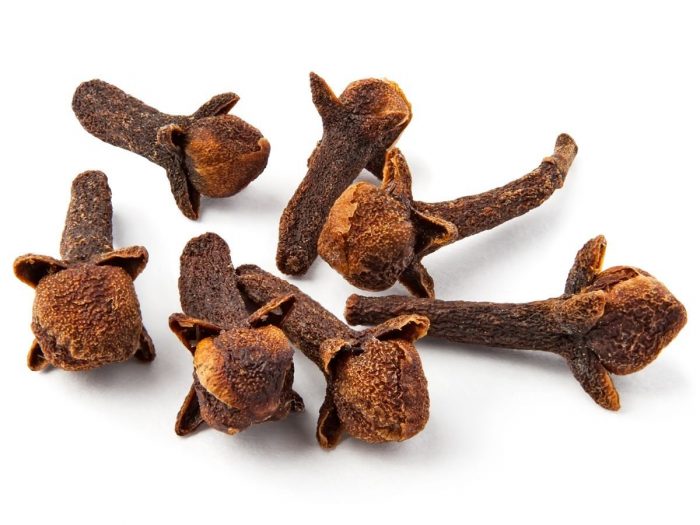
Clove 丁香

Syzygium aromaticum


Clove is a natural antiviral, antimicrobial, antiseptic, and anti-fungal agent. It also holds aphrodisiac and circulation-stimulating capacities. The oil of cloves has been used in a variety of health conditions including indigestion, generalized stress, parasitic infestations, cough, toothaches, headache, and blood impurities. In fact, the expert panel German Commission recently approved the use of its essential oil as a topical antiseptic and anaesthetic.
Part used: 
People use the oils, dried flower buds, leaves, and stems to make medicine

Uses
Edibility
In foods and beverages, clove is used as a flavoring.

  • Antioxidant

    Although most spices are excellent sources of antioxidants, cloves rank as the richest source of them all.
  • Powerful germicidal properties:
    Clove is used extensively in dental care for relieving toothache, sore gums and oral ulcers. Gargling with clove oil can also aid in soar throat conditions and bad breath.1
  • Anti-bacterial:
    An effective aid for food poisoning, clove oil effectively kills many forms of bacterial infections from contaminated foods.
  • Indigestion: Clove oil offers a powerful action against gas and bloating. It reduces gas pressure in the stomach, aiding in the proper elimination of food and toxins. It also relieves the discomfort of peptic ulcers. Effective for stomach related conditions including nausea, hiccups, motion sickness and vomiting.
  • Antiseptic:
    Clove oil can be used to reduce infections, wounds, insect bites and stings.1
  • Anti-fungal:
    Clove is also effective in reducing fungal infections such as athlete's foot.1
  • Skin:
    Excellent aid for skin disorders, such as acne.
  • General stress reliever:
    Clove oil stimulates the circulatory system, clearing the mind and reducing mental exhaustion and fatigue. It has also been used to aid insomnia, memory loss, anxiety and depression.
  • Anti-inflammatory:
    Clove oil clears the respiratory passages, acting as an expectorant for treating many upper-respiratory conditions including colds, eye styes, bronchitis, sinus conditions, cough and asthma.
  • Blood Purifier:
    Not only purifies the blood, but also aids in stabilizing blood sugar levels, and may have benefits for diabetic individuals.
  • General Immune System Booster:
    Clove's antiviral and cleansing properties purify the body, augmenting our resistance to disease.
  • Cancer Prevention:
    Preliminary studies suggest that clove oil may play a chemopreventative role, particularly in cases of lung, skin and digestive cancers.
  • Cardiovascular Health:
    The active essential oil in clove, eugenol, has been shown to act as a an effective platelet inhibitor, preventing blood clots.
  • Premature Ejaculation: Some research has shown that clove may be useful as a aid for premature ejaculation.
  • Prevention from toxic exposure:
    Studies show that clove oil can prevent toxicity related to exposure to environmental pollution.

Botany

Insufficient evidence to rate effectiveness for...

  • Toothache.
  • Vomiting.
  • Upset stomach.
  • Nausea.
  • Gas (flatulence).
  • Diarrhea.
  • Hernia.
  • Pain and swelling (inflammation) of the mouth and throat.
  • Cough.
  • Other conditions.


Clove Cookies recipeshttp://www.foodreference.com/html/clovecookiesr.html

 http://www.antioxidants-for-health-and-longevity.com/benefits-of-cloves.html

Coleus amboinicus Lour.

Suganda  
Coleus aromaticus Benth.
OREGANO
Zuo shou xiang

Part used: 
leaves

Uses 

Edibility
As condiment, provides fragrance to salads and strong-smelling meat dishes.    
Sometimes, used as flavouring for drinks.    


Folkloric
  •  Leaves in infusion or as syrup used as aromatic and carminative; used for dyspepsia and also as a cure for asthma.
  • The Malays used the plant juice or decoction for pains around the areas of the heart or abdomen.
  • Decoction of leaves given after childbirth.
  • In Indo-China, given for asthma and bronchitis.
  •  The juice of the leaves for dyspepsia, asthma, chronic coughs, bronchitis, colic, flatulence, rheumatism. The dose is one tablespoonful of the fresh juice every hour for adults and one teaspoonful every two hours, four times daily, for children. As an infusion, 50 to 60 grams to a pint of boiling water, and drink the tea, 4 to 5 glasses a day. For children, 1/2 cup 4 times daily.
  • For otalgia (ear aches), pour the fresh, pure juice into the ear for 10 minutes.
  • For carbuncles, boils, sprains, felons, painful swellings: Apply the poultice of leaves to the affected area, four times daily.
  • For sore throats, a decoction of two tablespoonfuls of dried leaves to a pint of boiling water, taken one hour before or after meals.
  • In India, leaves are used traditionally for bronchitis, asthma, diarrhea, epilepsy, nephro-cystolithiasis, fever, indigestion and cough. Also used for malarial fever, hepatopathy, renal and vesicle calculi, hiccup, helminthiasis, colic, and convulsions.
  • The Chinese used the juice of leaves with sugar, for cough in children, asthma and bronchitis, epilepsy and convulsive disorders.
  • Leaves are applied to cracks at the corners of the mouth, for thrush, headaches; against fever as a massage or as a wash.
  • Used for bladder and urinary afflictions, and vaginal discharges. 
  • Used as carminative, given to children for colic.
  • In Bengal, used for coli and dyspepsia.
  • Expressed juice applied around the orbit to r
  • Relieve conjunctival pain.

Recent uses and preparations


Respiratory ailments like cough, asthma and bronchitis: Squeeze juice of the leaves. Take one teaspoon every hour for adults. For children above 2 years old, 3 to 4 teaspoons a day.


On Skin
  • In the Philippines, macerated fresh leaves applied externally to burns.
  • Leaves are bruised and applied to centipede and scorpion bites. Also, applied to temples and forehead for headache, help in place by a bandage.
Botany
hea
Other Studies
Fresh leaves rubbed on clothing or hair at the time of bathing for its scent.

Insecticidal / Anti-Termite:
Antibacterial:
Antioxidant
http://stuartxchange.com/Oregano.html

Creeping tickfoil, desmodium triflorum

Creeping tickfoil
desmodium triflorum
KaliskisDalag- Common names in Philippine

Part used:
Roots, leaves and whole plant.

Uses Edibility In Burma, leaves reportedly eaten as vegetable.
Folkloric Leaves used in children for diarrhea, dysentery, indigestion and also for convulsions.
Leaves used as a galactagogue,and ground with cow's milk.
Roots used for asthma and coughs.
Malays drink the root decoction for stomach aches.
Plant used for fever with catarrh.
In Haiti, tea decoction used for rheumatism.
In India, leaves used for dysentery and diarrhea.

On Skin
  • Leaf paste or fresh leaves used for skin eruptions, wounds and abscesses.
  • Paste of the bruised leaves mixed with kamala applied to indolent sores and itches.
  • Expressed juice from a well macerated plant, is applied to abscesses and wounds that do not heal readity.
  • In Indonesia, Malaysia, the Philippines, Laos and India the crushed plant or a poultice of the leaves is externally applied on wounds, ulcers, and for skin problems in general, apparently for its antiseptic properties.

Botany

Other Studies

Antioxidant
Anti-Ulcer
Stachydrine / Pyrrolidine Alkaloids
Analgesic / Antiinflammatory


* All information is only for your reference.

Curry Leaves

 – a common herb in our daily life.

It contains Calcium, Phosphorous, Iron, Nicotinic acid and vitamin C. This bitter herb is a potent blood-purifier and a restorative of the degenerated blood cells.


It is a good digestive , especially after fatty and fried food. Indigestion, nausea, sour belching, heartburn, morning sickness and other digestive disorders such as diarrhoea, dysentery, bilious vomiting and hemorrhoids also respond well to treatment with curry leaves.

See more;

Ayurveda Herbs And Spices India | Ayurveda Treatment India | Ayurveda Center Goa

Tips on Inviting the Zzzzzz Monster

Episode2
The Tools…to Quality Sleep

Design a conducive environment for resting- quiet, comfortable and dark

What are the conditions to a conducive ‘sleeping’ environment? No bright lights, good ventilation, quiet background, comfortable and free of unnecessary interruptions.
If you value a good night’s rest, then take control of your bedroom! Consider using curtains, eye shades, ear plugs, humidifiers (great for those with sensitive noses), fans and other devices to reduce disruptions such as light and noises which are beyond your control.  Remember to save energy though! (My own cooling method that’s energy saving: instead of switching on your air-con throughout the night and incurring high electricity bills, I normally switch it on for an hour or two and then it’s up to my standing fan to keep the room cool.)

And keep the room allergen-free especially for those with sensitive respiratory systems and skins!

Room temperature and ventilation
Go on, experiment with the room temperature that you will feel most comfortable sleeping with.

Keep the lights off
They are people who could not sleep without switching on their table lamps, or are afraid of total darkness. However, dark environments are best in sending signals to your body that it’s SLEEPING TIME! Even dim lights can confuse the body clock. (My room’s air-con has this green blinking light that really distracts me, preventing me from falling asleep. So I normally flipped to the other side, back-facing it) or you can try an eye mask to cover your eyes but be sure to wash them frequently. You wouldn’t want to hurt your delicate eye areas!

Block out the noise if possible.
The traffic outside, neighbour’s party noises and late night mahjong sessions can make it difficult for one to sleep well. If outside noise can’t be blocked, try masking it with a fan, or recordings of soothing sounds. Although earplugs may also help, those with Tinnitus should avoid using that as they will be your worst nightmares (trust me, I’ve had those buzzing sounds somewhere in my ears for years and nature sounds audios are angels to me during bedtime.)

Don’t scrimp and save on the wrong things- it’s time to invest a quality mattress and pillows
If you can spend tens of thousands buying a luxury car that you hardly have the chance to stay in it for a few hours, why not invest a small portion of it on a quality mattress? When’s the last time you changed a new one? The life expectancy for most good quality mattresses is 9 or 10 years so go and get a new, comfortable and supportive mattress; we spent 1/3 of our life on it anyway.

Also, have comfortable pillows. Purchase those which are neither too stiff nor high. Make it a comfortable support for your aching neck and back.
             
Beds are for sleeping. Boys & Gals, don’t abuse them!

The bed has traditionally been used for sleeping. Leave your work materials, laptops, iPhones and televisions out of your sleeping environment. Limit your activities on the bed, and train your body to associate your bed with sleeping and sex (yup, that’s right). A friend who couldn’t get to sleep thought he can have a game of Cluedo on his iPhone to idle time and tire himself out. But hey he’s only tired 2 hours later! Pick up a boring book; it’s more effective then counting the sheep.

If looking at the clock and counting the minutes is adding anxiety, then place it at another corner where you can hear the alarm ring and yet avoid being exposed to the clock’s face.

Tips on Inviting the Zzzzzz Monster

Episode 1
Routine, Routine, Routine

Maintain a regular sleeping pattern day in and out, not forgetting your weekends!
 Ever wonder how and why do we have a particular sleeping pattern? Actually, there is a "circadian clock" in our brain. Our bodies need to balance both the sleeping and waking time. Maintaining a regular waking time in the morning will strengthen this “clock” and also tune our sleeping time at night. That is also why it is important to keep a regular bedtime and wake time, and also on your weekends and public holidays! Don’t give in to temptation ya!

Establish a regular, relaxing bedtime routine such as soaking in a hot bath
Get yourself into a relaxing routine activity just before bedtime, away from the bright lights. If you have a bath tub at home, or when you’re away on a holiday and there is one available in the hotel room, try to soak in the hot bath before sleeping. This can ease and speed up the transition into deeper sleep. But get into the tub early so that you are no longer sweating or overheated. If you are unable to avoid tension and stress, it may be helpful to. Glaring lights before bedtime should be avoided because it’s sending signals to the neurons that help control the sleep-wake cycle that it is not sleeping time. So, lights out please!

<90 min before bedtime
Hey you there, still reading this write-up just minutes before bed? Time to hit the bed soon! Your brain should be getting some pre-bedtime rest, away from all the excitement and other activities.

<30 min before bedtime
Why not take a few minutes off and jot down your concerns and stressful moments of the day? That’s right, get them off your chest and stop thinking about all the frustrating matters that happened during the day and you will be on your way to a sound sleep.

Calming music or self-hypnosis
You know that calming music aids in sleeping, so put that Jay Zhou and Lady Gaga tunes away till the next morning, well unless you think their music has a soothing effect on you.

Have you heard of self-hypnosis or a "brain recalibration" tape that can help you sleep better? Designed scientifically by researchers to help calm the brain, they are remarkably effective for people who need some help with sleeping. But make sure that those audios are not purchased from fly by night companies!

Can’t sleep? Then get out of the bed after 15-20 minutes! Lamenting over unsuccessful sleeping and getting all stressed up only makes matters worse.
Dehydrating? Check This Out!


Two thirds of a human being’s body is made up of water, yet we are losing it every second.
Indeed, water is crucial to sustaining lives. But how and why is Adam’s ale so important? Do we in take enough water? And, is it true that a person need 8 glasses of water daily?

Here are 2 sites with different advices:

Daily common dehydration
I guess it might be better to start off by identifying when and how are fluids lost from our bodies.
Commonly, body fluids are lost when we
· breathe where humidified air leaves the body
· sweat to cool the body
· urinate or have bowel movements to rid the body of waste products

Other ‘dehydrating’ situations
· Sports and Exercise
While exercising, our body perspires to release the heat and cool down the body. And here’s the problem, besides losing water, salts and minerals (electrolytes) are lost in the process too. So, remember to take sports drinks or even salt water and not simply plain water for more effective fluids replenishment.

· Gastrointestinal Infections
Diarrhea and Vomiting result in the loss of body fluids and electrolytes too, and it is important to replenish them to keep the body functioning. (Check out the pharmacies for solutions or see your doc if the symptoms persist!)

· Caffeine
Caffeine is a diuretic (i.e. causing increase in discharge of urine). However, it is unclear whether caffeine is a direct cause for dehydration. But better be safe than sorry, so it is probably a wise choice to steer clear of excessive intake of caffeine under the scorching heat. And watch out for the caffeine craving during long workouts and possible situations where you tend to sweat! :)